
Dr. Leo Taylor - DEI workshops, webinars, and keynotes that inspire, inform, and empower
Dr. Leo Taylor, offers live online and in-person diversity, equity, and inclusion (DEI) educational programs nationally and internationally to help organizations foster workplaces and other environments that are inclusive, accessible, and respectful of all people, regardless of difference.
His original workshops, webinars, trainings, and keynote addresses help participants understand diverse experiences, navigate difficult situations, recognize hidden biases, respond to unintended harm, and develop skills for creating spaces where everyone feels valued and welcome to contribute.
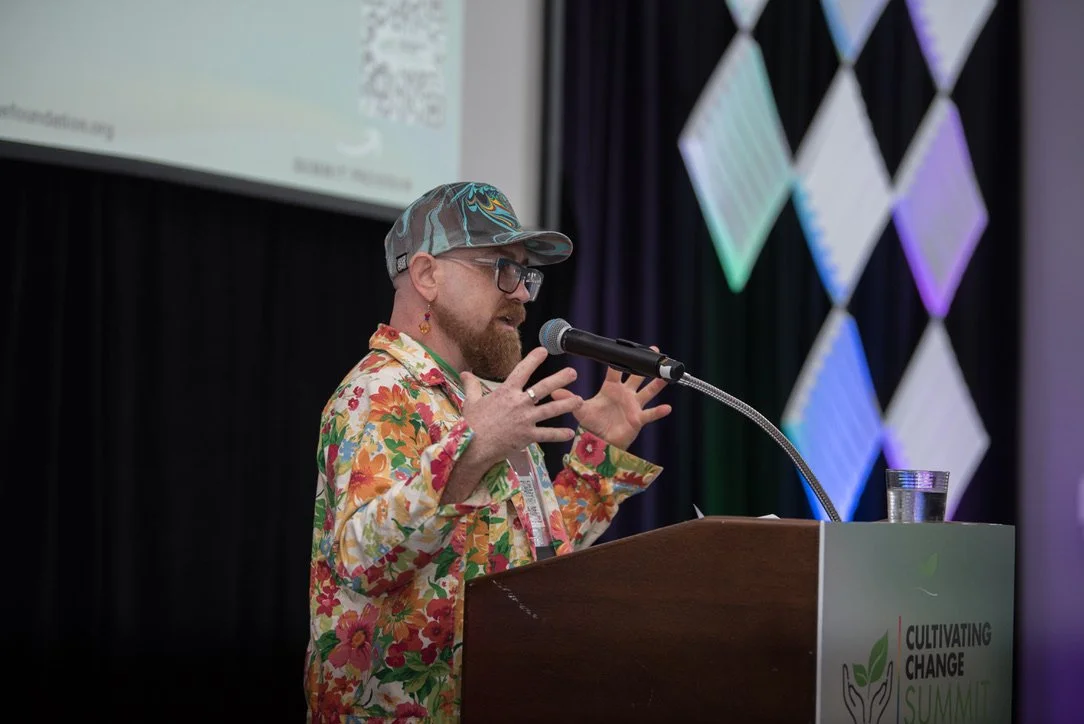
Dr. Leo Taylor speaking on transgender empowerment at the 2025 Cultivating Change Summit in Portland, OR
Diversity, Equity, and Inclusion Workshops and Webinars on Topics that Matter Most
Dr. Leo Taylor’s draws on more than 20 years of experience to craft workshops that focus on building foundational awareness, identity-specific inclusion, improving accessibility for neurodivergent and disabled people, creating safer workplace cultures, difficult conversations, and serving diverse communities more effectively.
Many of the topics below overlap across themes, and workshops can be customized to focus on the identities, challenges, and goals most relevant to any group or organization.
Gender Diversity and LGBTQ+ Inclusion
These workshops help participants understand how gender and sexuality shape people’s workplace experiences so they can prevent harm, communicate with greater respect, and create more affirming environments for LGBTQ+ people.
Focus areas include:
Supporting transgender and nonbinary employees
Identities related to gender, sex, and sexual and affectional orientations
Pronouns and gender-inclusive language
Foundations for Creating Inclusive Cultures
These workshops help participants see how interactions are shaped by more than intent. Participants explore the assumptions, expectations, and cultural patterns that influence who is heard, valued, respected, and able to participate fully.
Focus areas include:
Socialization and implicit bias
Identities and intersectionality
Microaggressions
White supremacy culture in daily life
Imposter syndrome
Communication Across Difference and Accountability
These workshops help participants build the awareness and skills needed to communicate with more clarity, empathy, and accountability, especially when conversations become difficult, unintended harm occurs, or different communication needs and expectations collide.
Focus areas include:
Difficult conversations
Bystander/upstander intervention
Inclusive language
Diverse communication styles
Inclusive Practices for Client- and Customer-Facing Organizations
These workshops help organizations recognize how assumptions about identity, behavior, communication, and relationships can shape the way they serve clients, customers, and patients. Participants explore ways to create more respectful, accessible, and affirming experiences for the people they serve.
Focus areas include:
Transgender and nonbinary identities
LGBTQ+ cultural competency
Neurodivergence
Nontraditional relationships (e.g., polyamory and nonmonogamy)
Kink, BDSM, sex worker communities
Inclusive Systems and Workplace Practices
These workshops help participants look beyond individual behavior to examine how workplace culture is shaped by the policies, practices, norms, and expectations people often treat as “just the way things are.”
Participants learn to identify barriers to inclusion and explore ways to build equity into everyday decisions, communication, hiring, leadership, and organizational practices.
Focus areas include:
Allyship in the workplace
White-dominant norms about professionalism
Inclusive policies and protocols
Equitable hiring practices
Neurodiversity, Disability, and Accessibility
These workshops help participants recognize how assumptions about bodies, minds, communication, productivity, and participation shape who is included and who is expected to adapt.
Participants learn ways to reduce ableism, improve accessibility, and create environments where disabled, autistic, ADHD, AuDHD, and other neurodivergent people can participate more fully and mask less.
Focus areas include:
Neurodiversity in the workplace
Autistic and ADHD inclusion
Costs of masking
Disability etiquette
Universal design
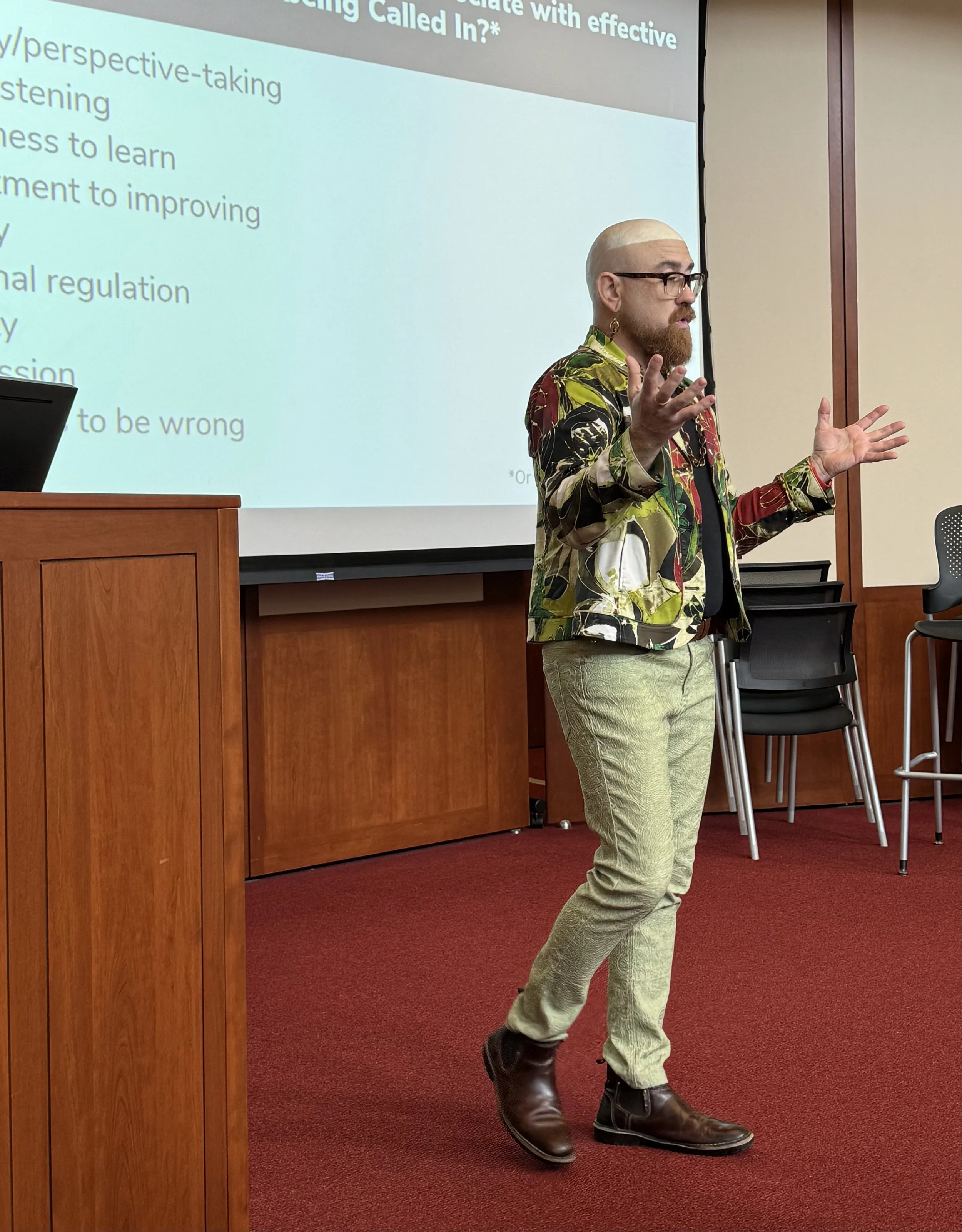
Why Work with Dr. Leo?
Dr. Leo does not offer one-size-fits-all workshops or polished scripts about diversity, equity, and inclusion. His programs are grounded in real stories, honest reflection, vulnerability, evidence-based frameworks, and skill development that can make a meaningful difference for people most affected by bias, prejudice, and systemic oppression.
Unlike many DEI facilitators, Dr. Leo brings formal scientific training to his work. He helps participants approach complex social issues with curiosity, evidence, humility, and a willingness to question what they have been taught.
Dr. Leo is known best for creating a brave, nonjudgmental learning environment where participants are not passive recipients of knowledge. Instead, they become co-teachers, sharing the wealth of their own perspectives and experiences. No two workshops are exactly alike because each audience helps co-create the learning experience.
Organizations work with Dr. Leo to strengthen communication, support retention, reduce avoidable harm, and build more inclusive policies, practices, and workplace cultures.
Participants leave with clearer language, deeper awareness, and more confidence navigating difference, conflict, bias, and accountability.
Working with Dr. Leo also means supporting a small business led by someone with lived experience navigating multiple marginalized identities.

See what participants say about their experiences